
Horticulture and Pest Management
Overview
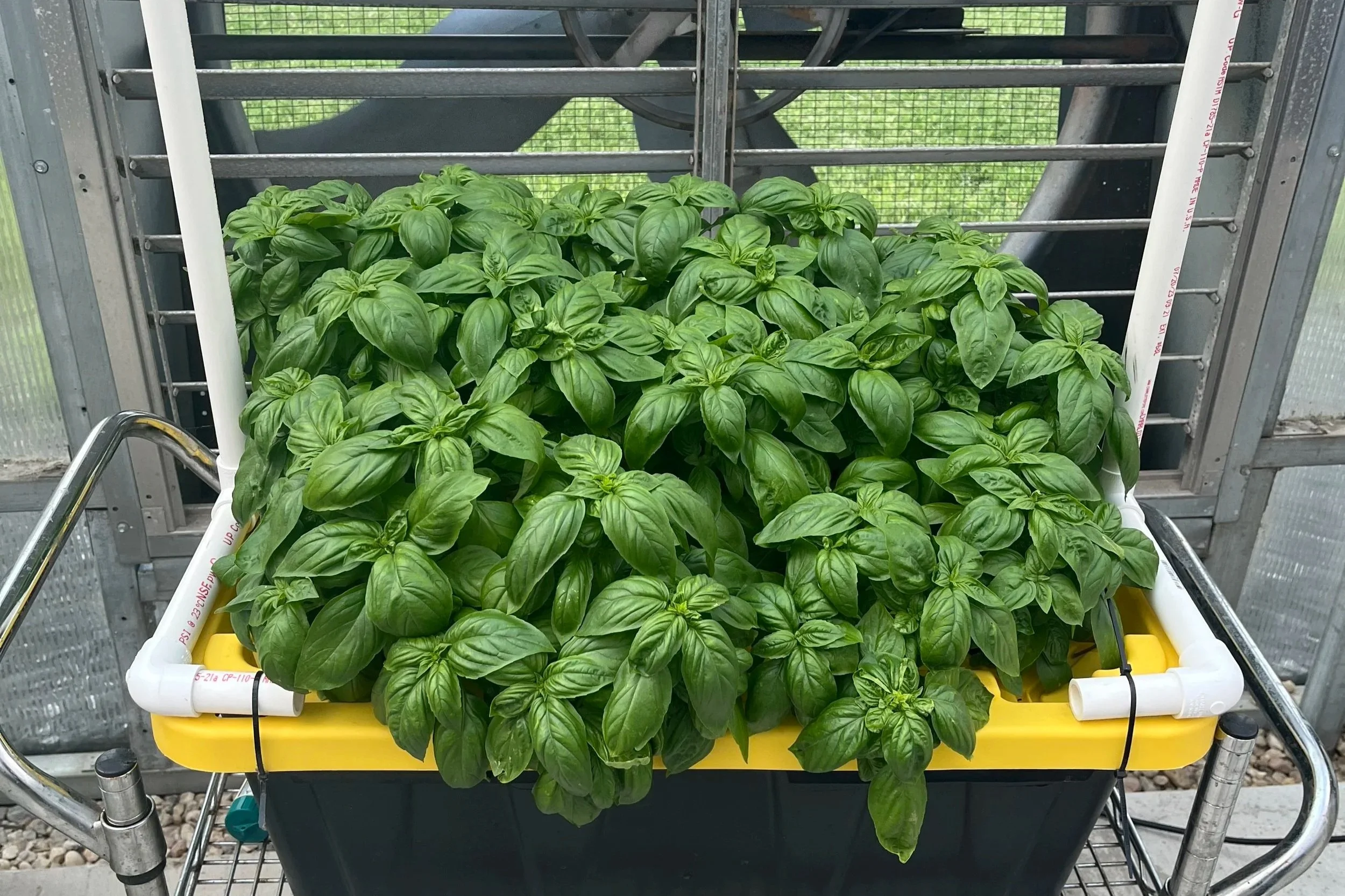
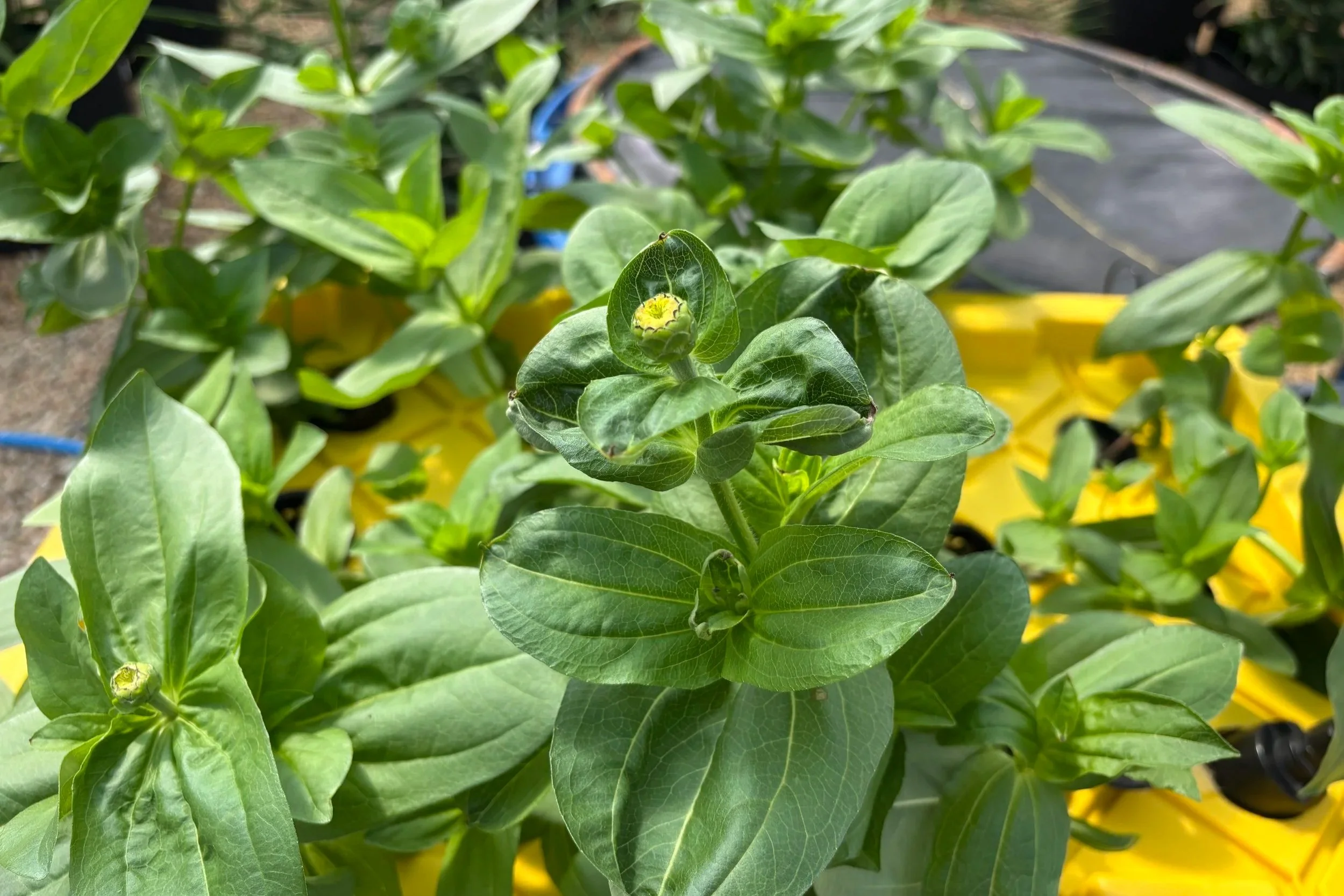
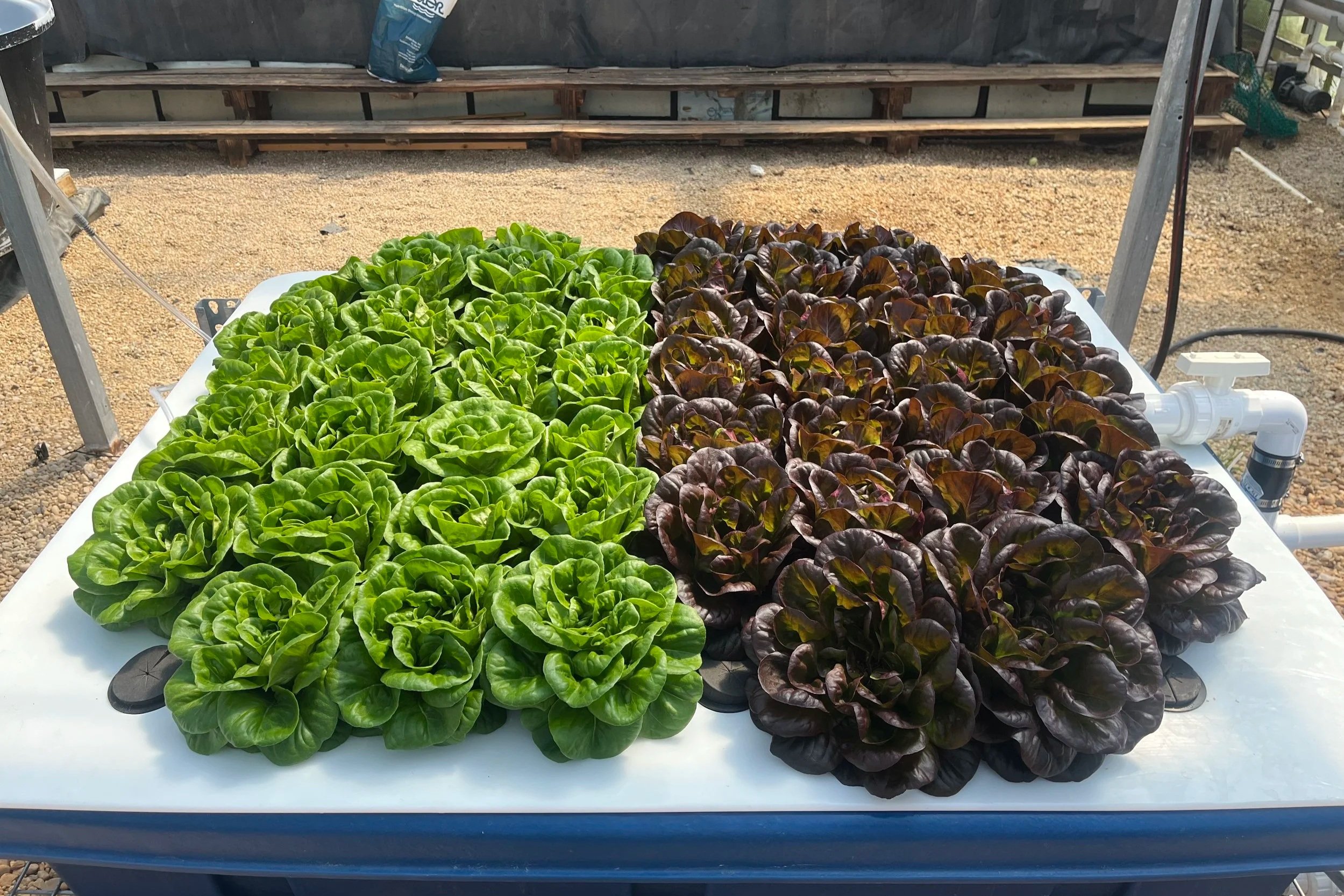
At VSU Extension, we conduct demonstrations and applied research, and provide technical support in small-scale fruit and vegetable production such as crop selection, sustainable practices including integrated pest management, infrastructure, and market strategies. We are also re-establishing the cut flower program that includes small-scale production of cut flowers at the open field, high tunnel and greenhouse hydroponic/aquaponic settings.
Fresh vegetables and fruit keep people well-nourished and healthy with their rich vitamin, mineral and fiber contents. Vegetable and small fruit production is highly profitable for small-scale farmers due to low acreage requirements, quick crop rotations, and surging local market demands.
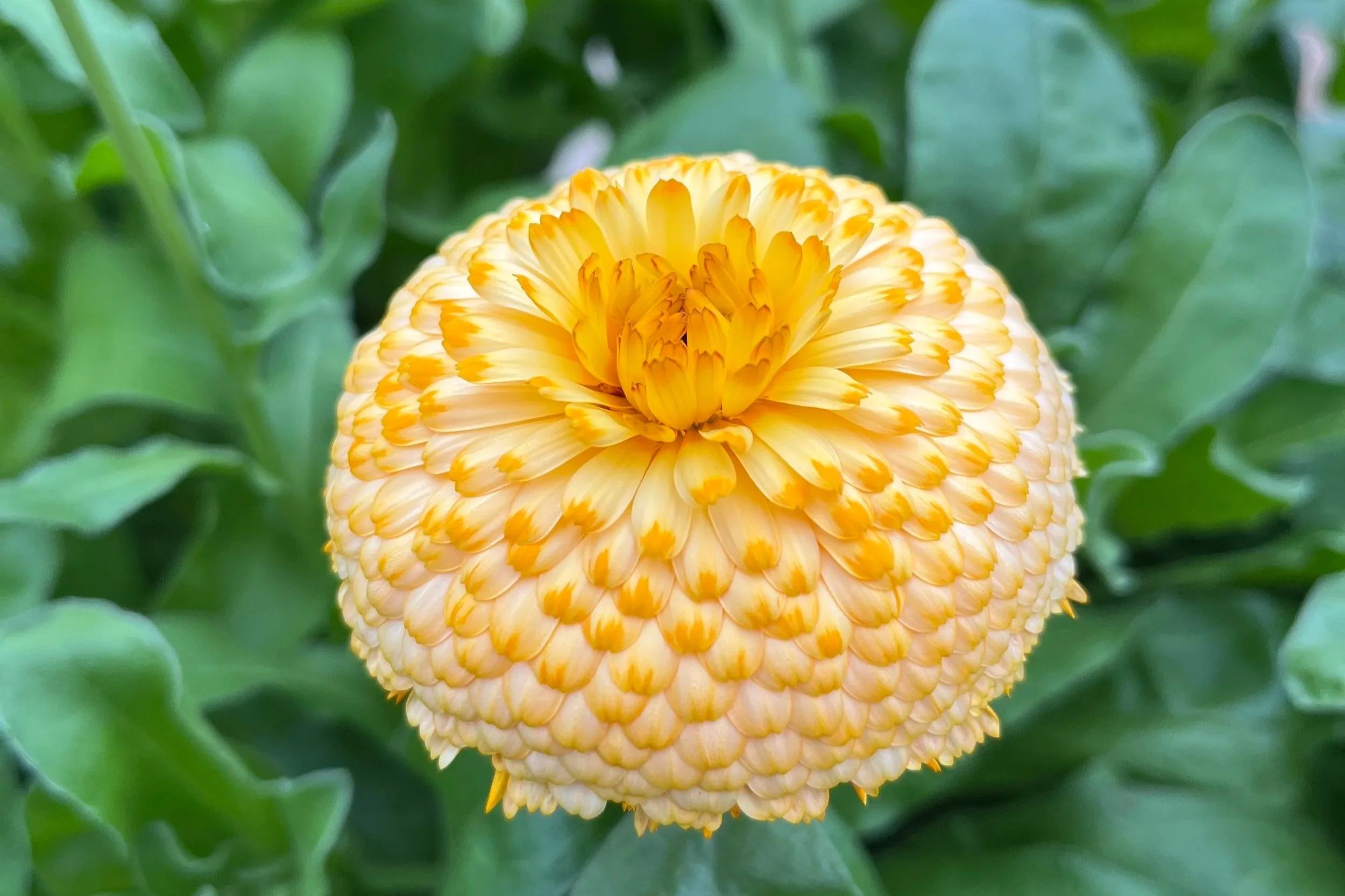
The cut flower industry is one of the fastest-growing sectors in diversified agriculture. For small-scale farmers, urban growers, and market gardeners, cut flowers also offer exceptionally high returns.
GINGER, GARLIC, AND OTHER SPECIALTY CROPS
Virginia State University’s Extension Horticulture program conducts research on high-value specialty crops, including ginger, garlic, turmeric, and other emerging crops, to help Virginia farmers diversify production and increase profitability. Through field trials and collaborations with growers and universities, researchers identify suitable varieties, effective planting and harvesting techniques, pest management strategies, and methods for improving yields and crop quality. This work provides practical, research-based guidance to help farmers successfully grow specialty crops and access new market opportunities.
Virginia State University’s Pest Management program conducts research to help Virginia farmers protect their crops through effective, economical, and sustainable pest control strategies. Emphasizing Integrated Pest Management (IPM), researchers investigate methods for managing insects, weeds, and diseases while minimizing unnecessary pesticide use. Current projects include identifying garlic varieties and planting practices that reduce onion maggot infestations, evaluating cost-effective weed control methods for ginger, and determining insect damage thresholds that affect crop yields. This research provides farmers with practical, science-based recommendations to reduce crop losses, improve productivity, and make informed pest management decisions.
COnnect
e-newsletter
Sign up to receive our weekly e-newsletter and event alerts directly to your inbox.
